These eight books are all free on Storyline Online, and each one has a clear IEP-aligned goal built right into it. Here’s what we’d do with each of them.
What You’ll Find in This Post
💜 8 Women’s History Month picture books, all free on Storyline Online for teletherapy
💜 Core vocab suggestions for each book
💜 One quick, IEP-aligned therapy idea per book
💜 Details on our BRAND NEW Women’s History Month Speech Therapy Pack
1. The House That Jane Built by Tanya Lee Stone
Watch free on Storyline Online
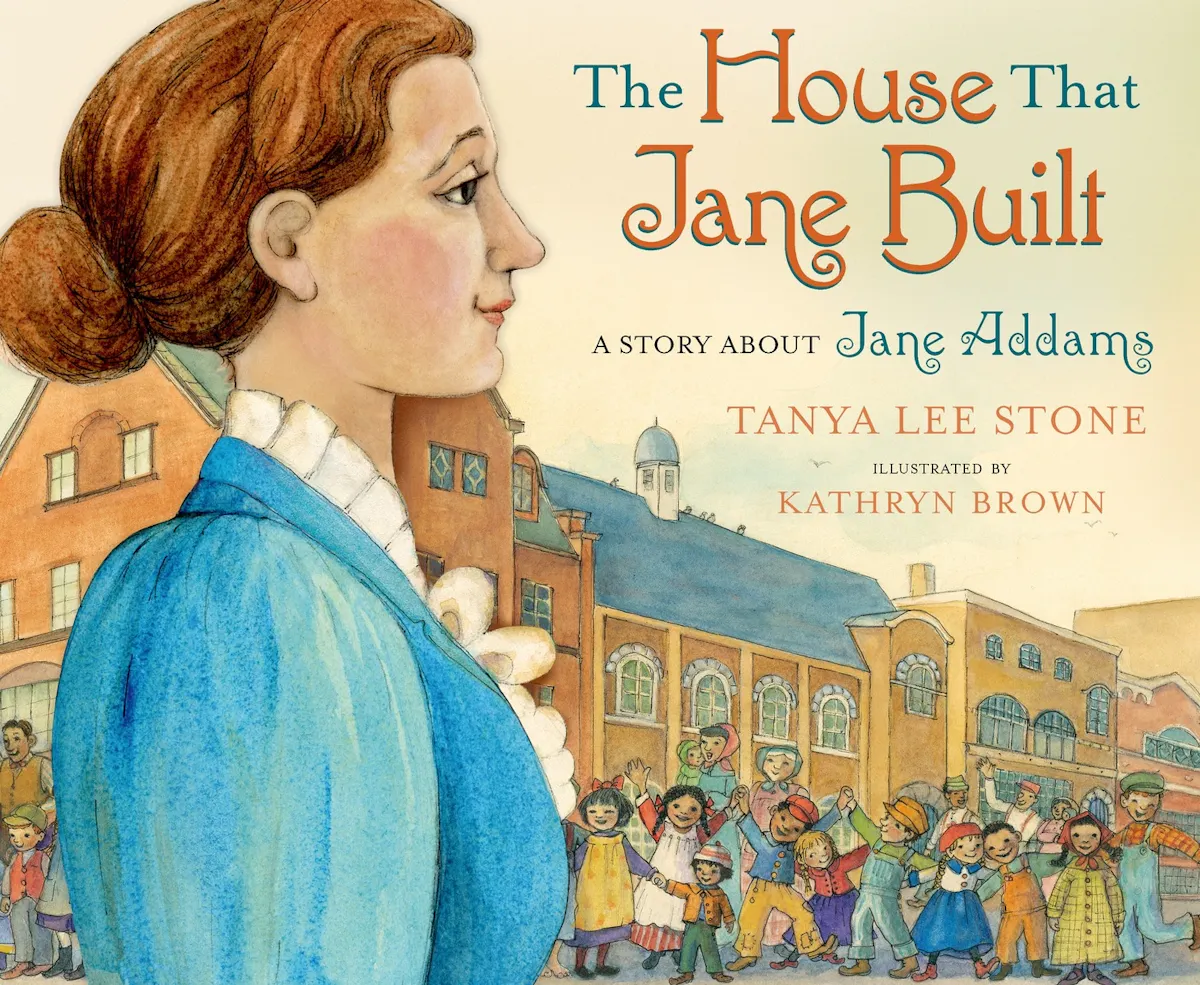
Best for: Grades 2 to 5 | IEP Goal: Main idea and key details
Jane Addams spent her life looking for a way to help people who had very little. In 1889, she moved into a crumbling mansion in a struggling Chicago neighborhood and turned it into Hull House, a settlement house that eventually served over 9,000 visitors every week. The story traces how she devoted herself to rebuilding one block at a time, convinced others to join her, and transformed that neighborhood into a national landmark. Addams became the first American woman to win the Nobel Peace Prize in 1931.
Core vocabulary: settlement, crumbling, transformed, devoted, convince
💡 Main idea and key details: After listening, ask students to state the main idea in one sentence, then name two or three key details that support it. A sentence frame like “The most important thing about Jane Addams is ___” helps students organize before sharing aloud. Kids can actually point to the evidence in this one, which makes the skill click a lot faster.
2. Rosie Revere, Engineer by Andrea Beaty
Watch free on Storyline Online
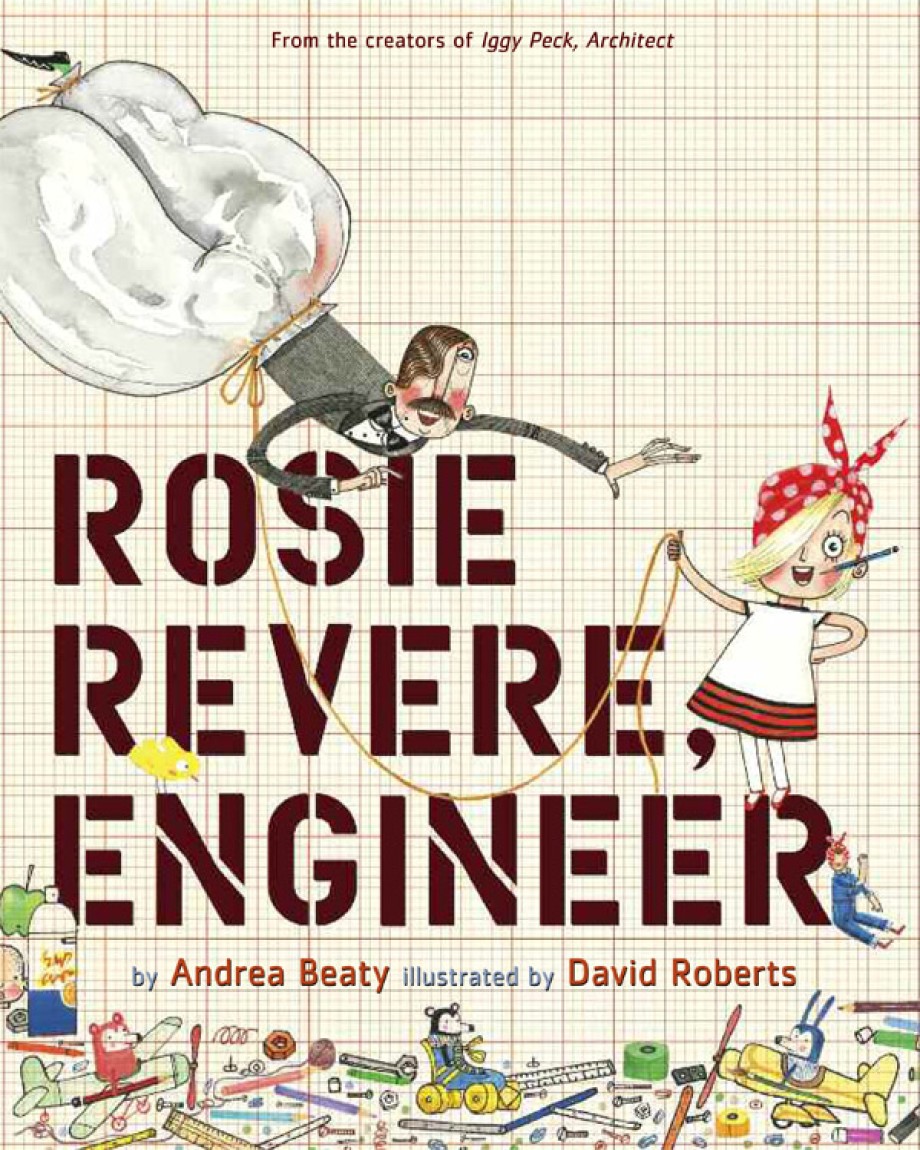
Best for: Grades K to 3 | IEP Goal: Emotion identification
Rosie is a shy girl who builds contraptions in secret because she is afraid of being laughed at. When her great-great-aunt Rose, a retired WWII aircraft engineer, comes to visit, Rosie builds a flying machine and braces for the reaction. Her aunt laughs, but tells her the magnificent flop was a raging success. Aunt Rose’s wartime work is a nod to the generation of women who proved what was possible when given the chance, and her message to Rosie is the heart of the book: the only true failure is giving up.
Core vocabulary: contraption, tinkered, flop, perplexed, magnificent
💡Emotion identification. Pause at three moments: when Rosie hides her invention, when Aunt Rose laughs at the prototype, and when Rosie decides to keep building. At each stop, ask students to name the emotion and explain what caused it using the frame “Rosie feels ___ because ___.” The emotional shifts are really clear, so even students who usually struggle with this goal can find their footing here.
3. Catching the Moon by Crystal Hubbard
Watch free on Storyline Online
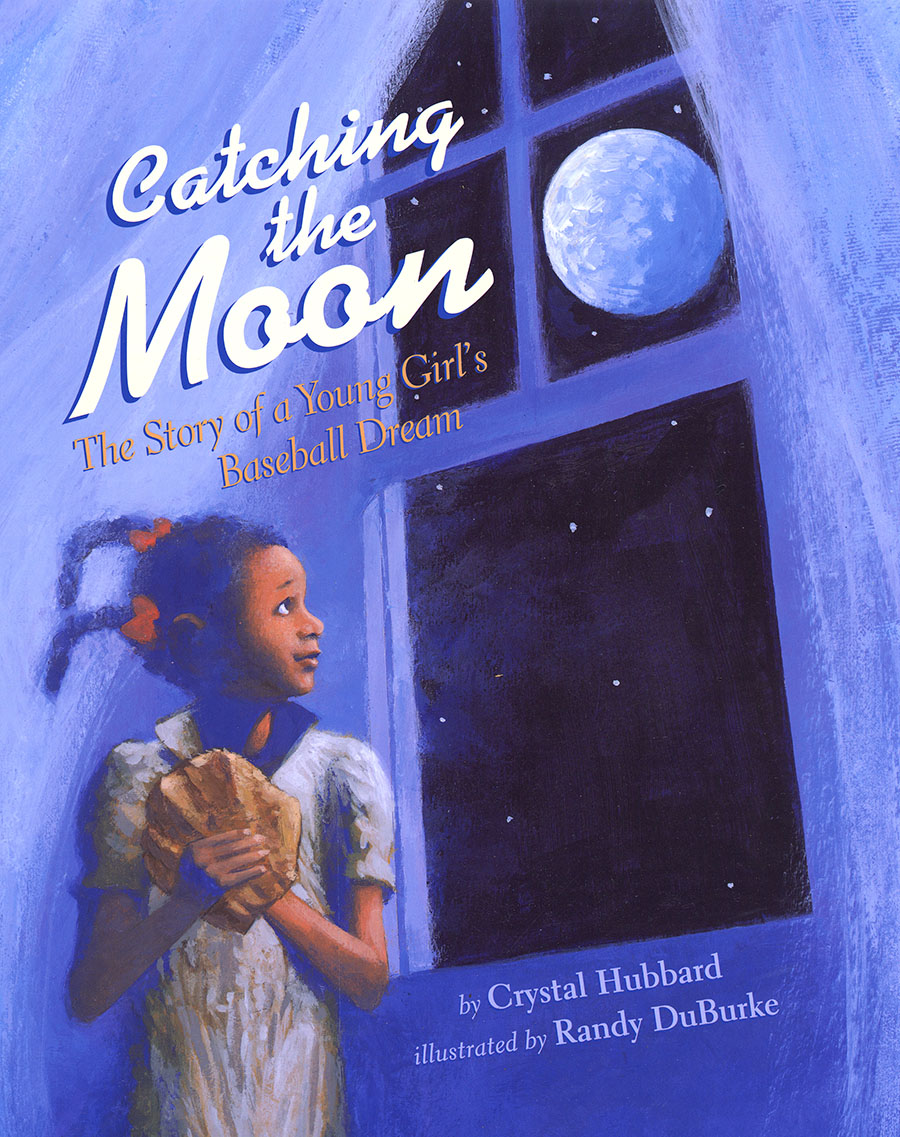
Best for: Grades 3 to 5 | IEP Goal: WH questions
This is the true story of Marcenia Lyle, a girl growing up in the 1930s who loved baseball more than anything. Coaches refused to let her play. Her family insisted she stop trying. She ignored all of it. Marcenia eventually won a position at a summer baseball camp sponsored by the St. Louis Cardinals and went on to become the first woman to play for an all-male professional baseball team. Read by Kevin Costner and Jillian Estell.
Core vocabulary: refused, insisted, position, extraordinary, league
💡 WH questions. This biography is a natural fit for WH question practice because every story element is distinct and meaningful. Who is Marcenia? What did she want to do? Where did she finally get to play? When did she break into the professional league? Why did people keep telling her no? Ask these throughout the reading and circle back to build a full picture of her story. Her story is also just genuinely worth knowing.
4. A Bad Case of Stripes by David Shannon
Watch free on Storyline Online
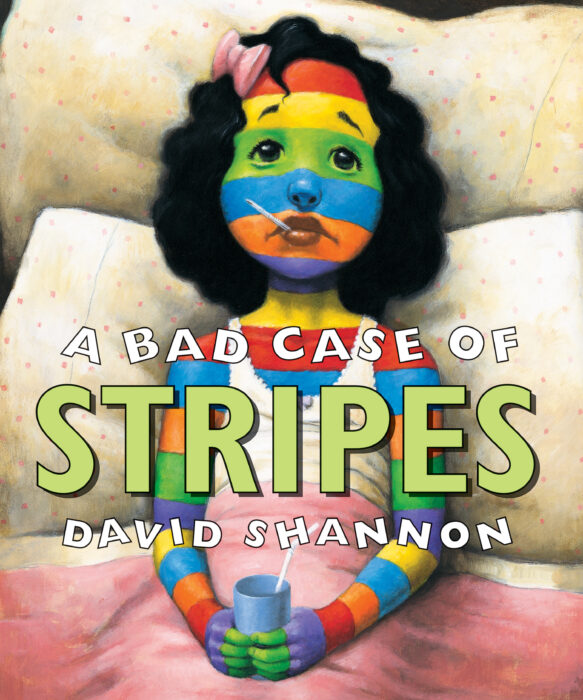
Best for: Grades 2 to 3 | IEP Goal: Cause and effect
Camilla Cream loves lima beans but refuses to eat them because she is terrified of what her classmates will think. When that anxiety peaks, she wakes up covered in colorful stripes. Every time someone suggests she has a new condition, she transforms into it. Specialists cannot cure her. The more she tries to conform to others’ expectations, the stranger things get, until the day someone finally tells her to just be herself. Read by Sean Astin.
Core vocabulary: peculiar, embarrassed, cure, specialist, genuine
💡 Cause and effect. By the fourth transformation, your students will be predicting what happens next before you even ask. Each time someone says something new, Camilla transforms. Build a cause-and-effect chart together: “When ___, Camilla ___.” By the end, students have a full map of the story and a solid understanding of how the cause-and-effect pattern works.
5. Brave Irene by William Steig
Watch free on Storyline Online
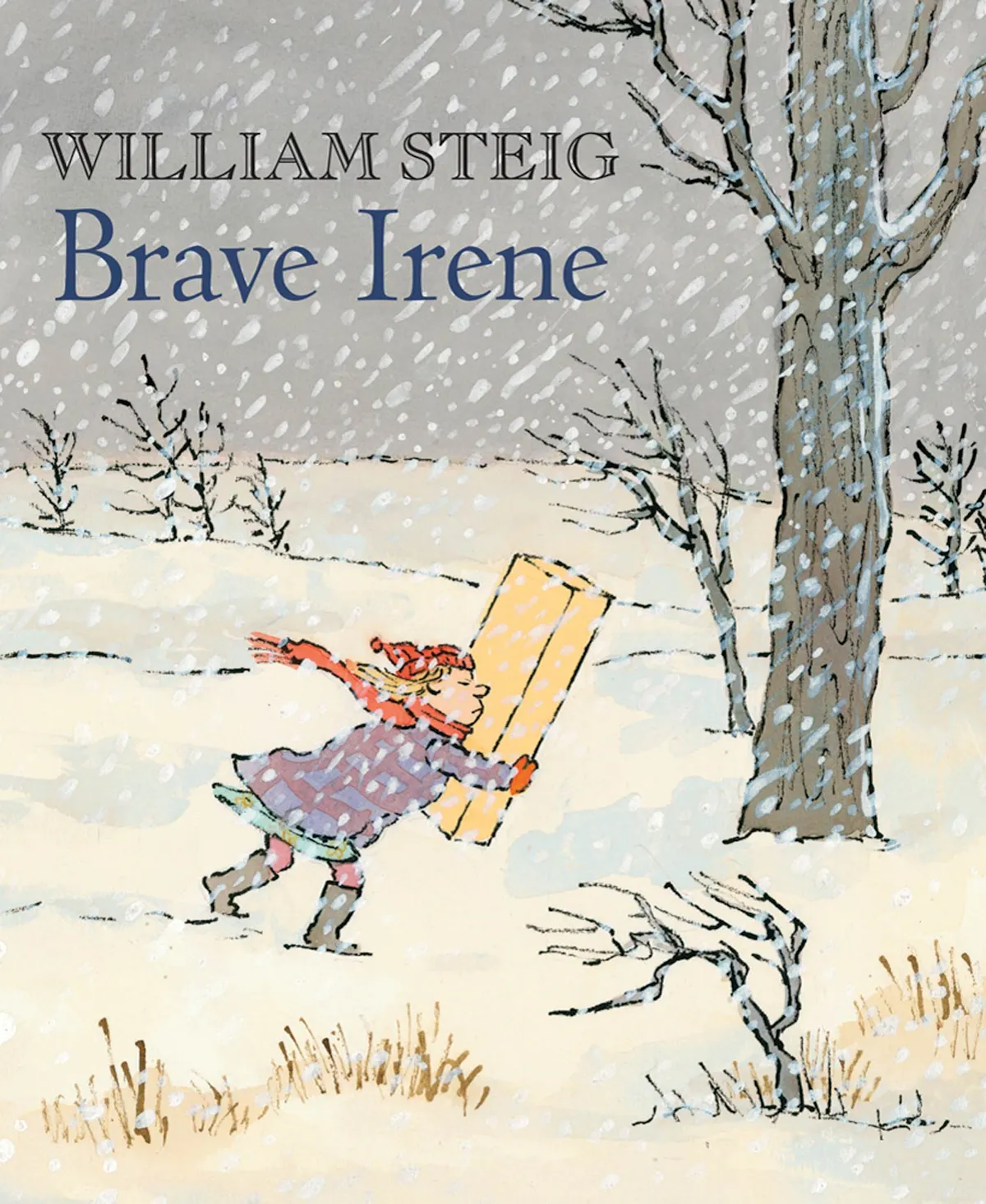
Best for: Grades 1 to 4 | IEP Goal: Narrative retell
Irene’s mother is a dressmaker who falls ill the night a ball gown must be delivered to the duchess, which is quite an errand for a little girl. Irene wraps up the gown, steps out into the fury of a fierce snowstorm, and goes anyway. She trudged through the drifts, strode back when the wind pushed her, and kept going even after she lost a shoe. The finished gown turns out to be splendid, and the duchess is moved to gratitude.
Core vocabulary: errand, fury, trudged, strode, splendid
💡 Narrative retell with story grammar. After reading, have students retell the story using four story grammar elements: the problem, what Irene decided to do, the obstacles she faced, and the resolution. A four-box story map or first/next/then/finally cards work well as visual supports. The story moves in a clean, linear sequence with distinct obstacles. Simple enough that students can retell it without losing the thread, but interesting enough that they actually want to.
6. Lotus and Feather by Ji-li Jiang
Watch free on Storyline Online

Best for: Grades 1 to 4 | IEP Goal: Describing using attributes
A winter illness silenced Lotus and left her without friends. A hunter’s bullet left Feather, a crane, injured and unable to migrate. The two find each other, and Lotus begins to nurture the bird with patient, quiet care. Their growing companionship fills the mournful quiet that had settled over her life. When their village floods, Feather raises the alarm and saves the community. This story is inspired by a real historical account from China and read by Michelle Yeoh.
Core vocabulary: silenced, nurture, companion, mournful, migrate
💡 Describing using attributes. After reading, have students describe both Lotus and Feather using attribute categories: what they look like, how they act, where they live, and what changed for each by the end. The contrast between these two characters practically fills in the chart for you.
7. Remember to Dream, Ebere by Cynthia Erivo
Watch free on Storyline Online
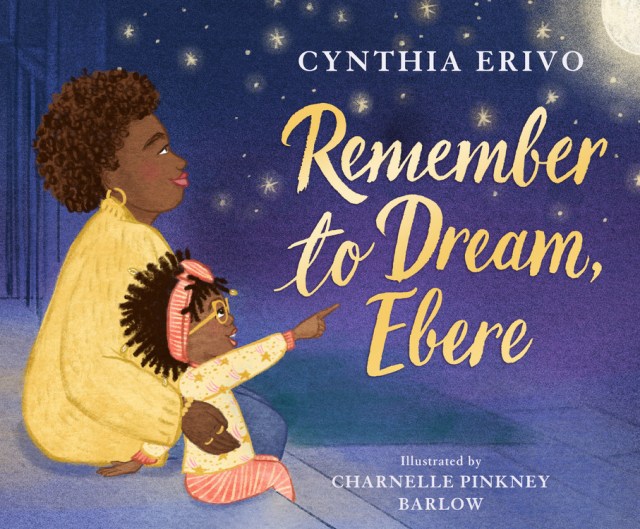
Best for: Grades PreK to 2 | IEP Goal: Expressive language
Every night before bed, Ebere’s mother says the same thing: “Remember to dream, Ebere.” Those words carry Ebere up past rockets and out into the universe. She becomes captain of her own ship, soaring through the stars and back again. Written and read by Cynthia Erivo, this book is about what it means to have someone in your corner who tells you that you can.
Core vocabulary: universe, captain, soar, encourage, imagine
💡 Expressive language and complete sentences. After reading, have students complete open-ended sentence starters: “I dream about ___,” “Someone who encourages me is ___,” and “Someday I want to ___.” Encourage full sentences with at least one detail added. Younger students tend to have a lot to say about this one.
8. Velma Gratch and the Way Cool Butterfly by Alan Madison
Watch free on Storyline Online
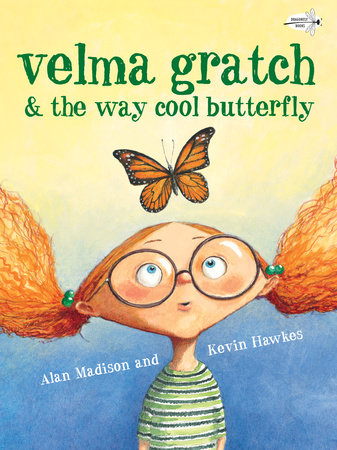
Best for: Grades K to 3 | IEP Goal: Making predictions
Velma is the youngest of three sisters, and everywhere she goes, people remember her sisters first. She starts first grade carrying the weight of their reputations, feeling completely overlooked. Then, during a class trip to a butterfly conservatory during monarch migration season, something remarkable happens: a butterfly lands on Velma’s finger and will not leave. Its antennae twitched. Everyone turned. Suddenly, everyone knew exactly who Velma was.
Core vocabulary: jealous, migration, antennae, overlooked, captivated
💡 Making and revising predictions. Before reading, ask students to predict what might happen to Velma on her first day of school. Pause when she arrives at the conservatory and have them revise the prediction based on what they know now. After finishing, compare the original prediction to what actually happened and talk through what story clues pointed toward the ending. The ending genuinely surprises them, which makes going back to find the text clues even more satisfying.
Our Women’s History Month Speech Therapy Pack
Ten iconic women, three reading levels, and one pack that works for your whole mixed group.
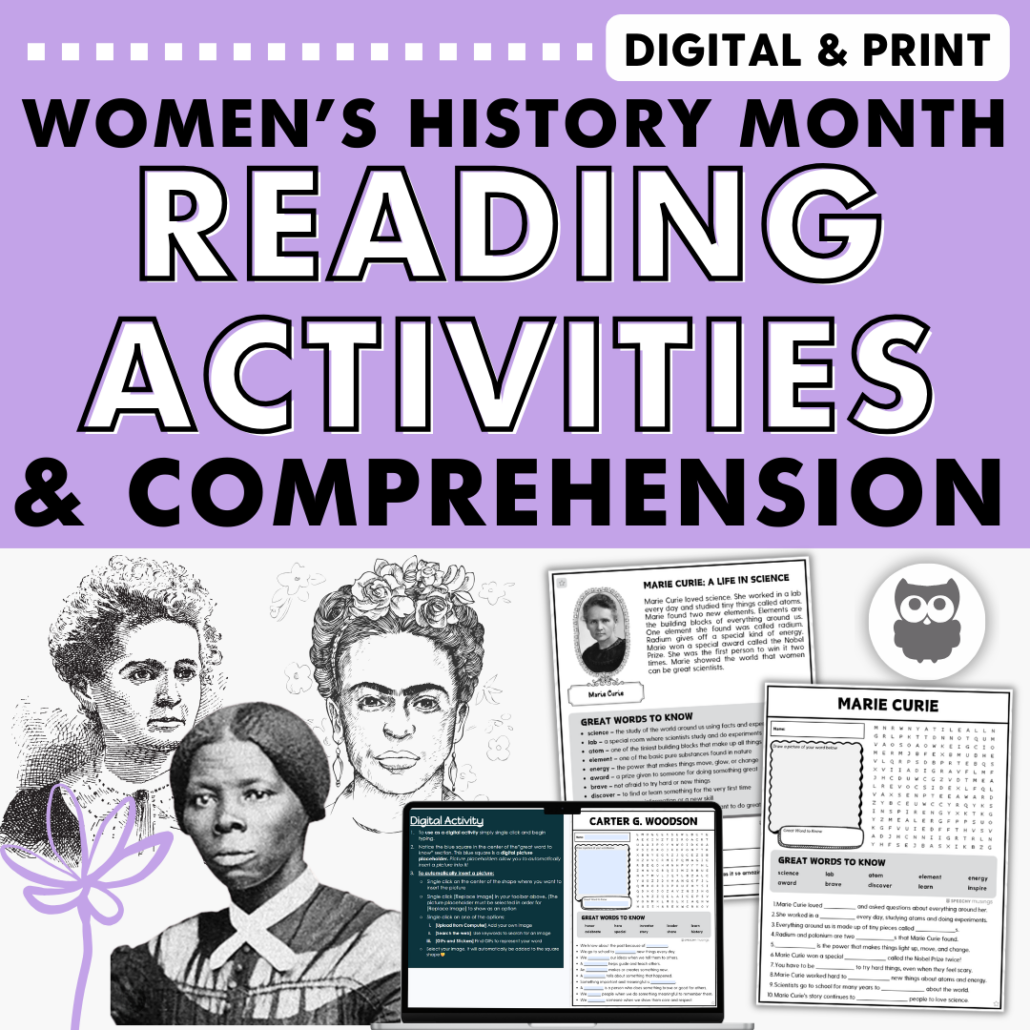
The Women’s History Month Word Search and Reading Comprehension Pack covers Marie Curie, Harriet Tubman, Frida Kahlo, Amelia Earhart, Rosa Parks, Malala Yousafzai, Katherine Johnson, Cleopatra, Maya Angelou, and Serena Williams.
Each woman comes with leveled reading passage, “Great Words to Know” vocabulary, a word search, fill-in-the-blank sentences, and comprehension questions. Three levels span grades 1 through 6, so your whole group gets the same content at the right challenge level. Available in print and Google Slides.
Grab the Women’s History Month Speech Therapy Pack here
If you use any of these books with your students, drop a comment and let us know which ones your kids loved. And if the read-alouds spark good conversations in your sessions, the Women’s History Month Pack gives you everything you need to keep building those skills with no extra prep.
Head over to Storyline Online to bookmark your favorites before your next session.
Frequently Asked Questions
What is Storyline Online? Storyline Online is a free platform from the SAG-AFTRA Foundation where celebrated actors read picture books on camera. It requires no login, costs nothing, and works on any device. Most books also include a downloadable teacher guide and parent guide.
Can I use Storyline Online during teletherapy? Yes. Screen-share the video during your session or send the link ahead of time so students can watch before you meet. No login is needed, so families can access it at home too.
What grade levels are these books for? PreK through Grade 5, depending on the title. Each entry above includes a grade range to help you choose.
Do any of the books include teaching materials? Most Storyline Online books include a downloadable teacher activity guide and parent guide right on the book’s page. For no-prep speech therapy materials with leveled activities and data tracking, check out our Women’s History Month Speech Therapy Pack above.






Leave a Comment