If you haven’t used Storyline Online in your sessions yet, you are seriously missing out. It’s a free website where celebrities read picture books aloud on video, and kids are genuinely hooked from the very first page. We’ve pulled together 10 books featuring Black main characters, each with a clear IEP goal connection and a core vocabulary list so you can make the most of every session. Whether it’s Black History Month or a random Thursday in March, these stories are worth keeping in your back pocket all year long.
Free Resource to Pair With These Books 🎉
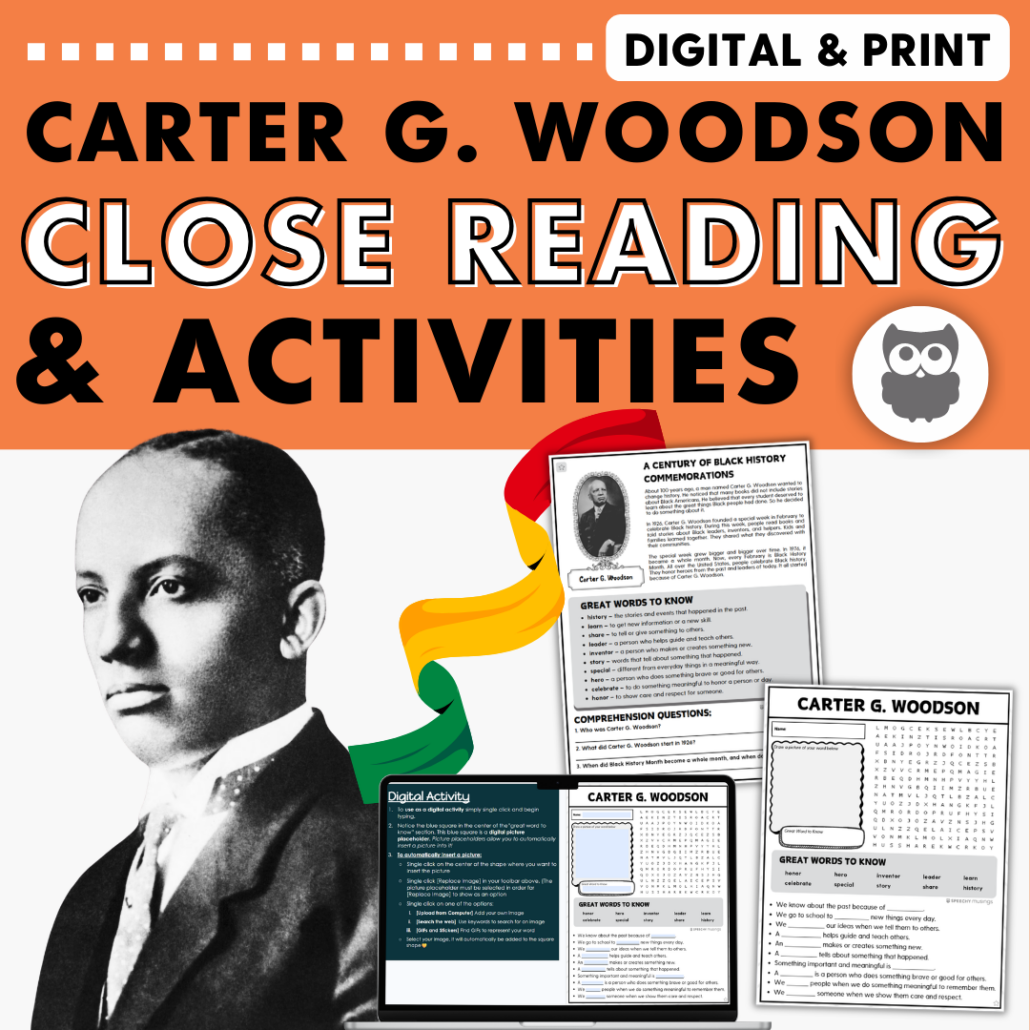
Want a ready-to-use activity to go alongside any of these stories? Grab our FREE Carter G. Woodson & the History of Black History Month Close Reading Pack. It pairs beautifully with every book on this list and works any time of year, not just in February.
1. Jabari Jumps by Gaia Cornwall
Read by Sheryl Lee Ralph | Ages 4–8 | Watch here
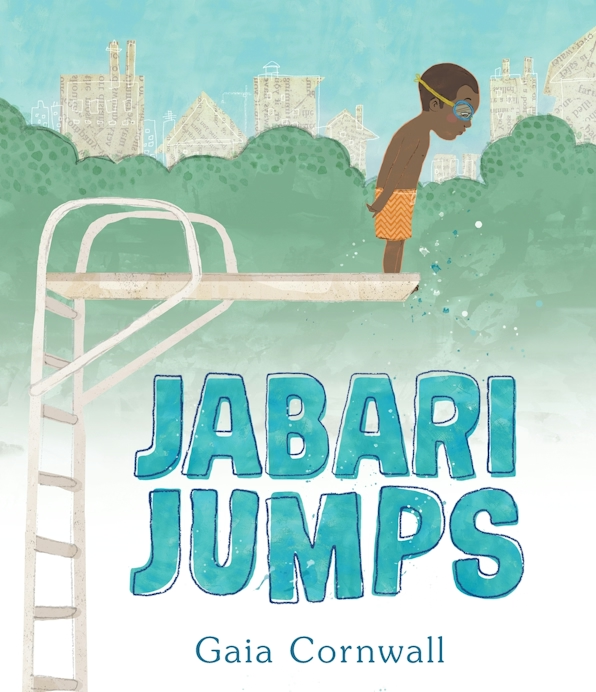
Jabari is definitely ready to jump off the diving board. (Okay, maybe not quite.) This sweet story about bravery and a patient, supportive dad is one kids truly connect with.
Core vocabulary: go, wait, try, ready, stop, look, scared, help, want, jump, again
🎯 Best for: Social-Emotional Language Goals Use this to target emotion vocabulary and cause-effect language, “He felt nervous because the board was so high.” It’s a natural, no-pressure way to build feeling words in context.
2. Trombone Shorty by Troy Andrews
Read by Angela Bassett | Ages 4–8 | Watch here
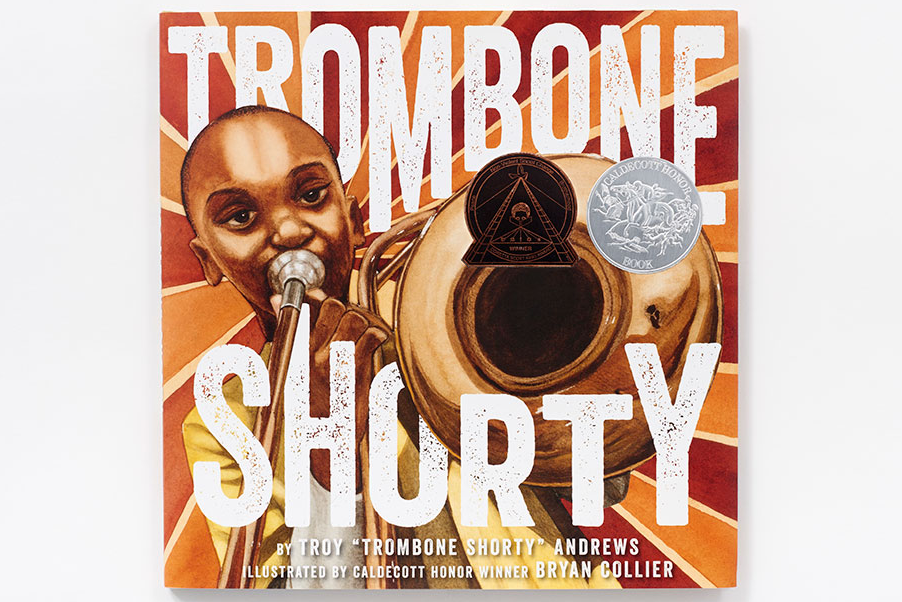
The true story of jazz prodigy Troy “Trombone Shorty” Andrews, who was leading his own band by age 6. A joyful celebration of music, community, and dreaming big.
Core vocabulary: play, music, big, go, make, can, keep, try, loud, want, more
🎯 Best for: Narrative Language Goals The true-story structure (clear beginning, middle, end) makes it perfect for story grammar retelling and sequencing. A great scaffolding text for students building organized narrative skills.
3. Rent Party Jazz by William Miller
Read by Viola Davis | Ages 5–9 | Watch here
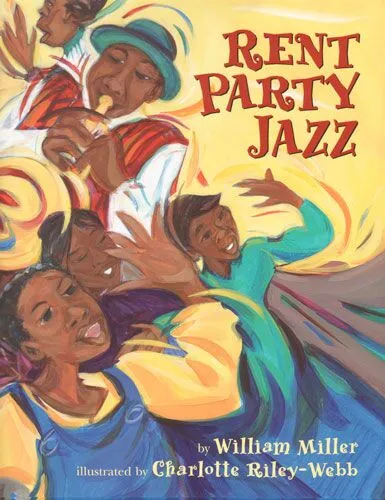
Set in 1930s New Orleans, Sonny’s mama loses her job and can’t make rent until the whole neighborhood comes together to help. Warm, hopeful, and full of heart.
Core vocabulary: help, go, need, work, more, money, give, together, feel, come, play
🎯 Best for: Cause and Effect Language Goals The story’s chain of events is built-in cause-effect practice: “Sonny needed help because his mama lost her job.” Excellent for students targeting complex sentence structures.
4. As Fast As Words Could Fly by Pamela M. Tuck
Read by Dulé Hill | Ages 6–10 | Watch here
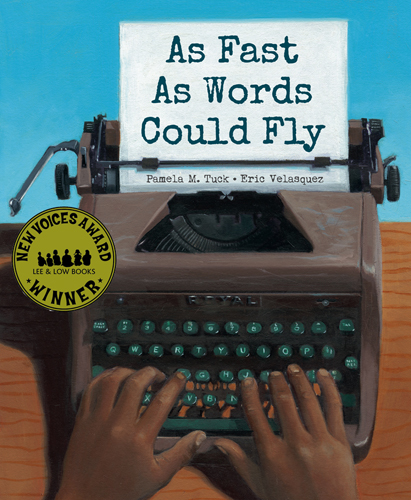
Based on a true story from 1960s North Carolina, Mason learns to type so his words can reach farther and uses that skill to challenge segregation at his school.
Core vocabulary: write, learn, fast, try, go, more, do, help, can, words, show
🎯 Best for: Vocabulary Development Goals Rich, content-area words like segregation, determination, and challenge appear naturally here. Target word definitions, synonyms, and original sentence use (all anchored to a powerful true story)
5. Catching the Moon by Crystal Hubbard
Read by Kevin Costner and Jillian Estell | Ages 4–8 | Watch here

The true story of Marcenia “Toni” Stone, told she couldn’t play ball, she went anyway, becoming the first woman to play on a professional all-male baseball team.
Core vocabulary: play, go, can, try, big, want, more, do, like, help, keep
🎯 Best for: Problem-Solution Narrative Goals A new obstacle on nearly every page = built-in problem-solution practice. Students can identify the problem, solution, and outcome across multiple story episodes.
6. No Mirrors in My Nana’s House by Ysaye M. Barnwell
Read by Tia and Tamera Mowry | Ages 3–7 | Watch here
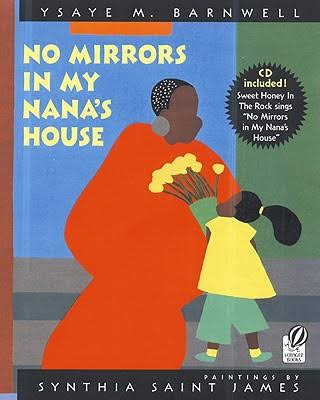
A lyrical, song-based story about a girl who sees herself only through the love in her grandmother’s eyes. Based on the song by Sweet Honey in the Rock. (seriously, this one is so beautiful)
Core vocabulary: see, look, beautiful, feel, like, love, I, eyes, tell, show
🎯 Best for: AAC Core Vocabulary Modeling The repetitive, song-like text makes this one of the best books on this list for AAC modeling. The same core words repeat throughout, giving you natural, no-pressure opportunities to model on the device while the video plays.
7. To Be a Drum by Evelyn Coleman
Read by James Earl Jones | Ages 4–8 | Watch here

A father shares the story of the “drum” – the beat connecting African people across generations. Lyrical, sweeping, and deeply moving.
Core vocabulary: feel, hear, move, go, big, strong, together, beat, deep, keep
🎯 Best for: Fluency Goals The steady rhythm of the text naturally supports smooth, forward-moving speech. Tap or clap along to help students internalize a fluent pacing… it’s a fun, meaningful fluency tool.
8. The Hula-Hoopin’ Queen by Thelma Lynne Godin
Read by Oprah Winfrey | Ages 4–8 | Watch here

Kameeka wants to win the hula-hooping competition on 139th Street, but her neighbor Miz Adeline needs help. What will she choose? Joyful, funny, and full of heart.
Core vocabulary: go, help, want, do, more, like, feel, good, fast, stop, please
🎯 Best for: Social Pragmatics Goals Kameeka’s social dilemma is a gift for social communication goals. Role-play what she could say, discuss perspective-taking, and explore how different choices lead to different outcomes.
9. Fresh Juice by Robert Liu-Trujillo
Read by Da’Vine Joy Randolph | Ages 3–7 | Watch here

Art and his dad walk the neighborhood gathering ingredients for fresh juice – carrots, collards, cayenne, and community. Colorful, warm, and delightful.
Core vocabulary: go, get, more, big, little, put, make, we, together, help, want
🎯 Best for: Sequencing and Following Directions Goals The step-by-step journey is ready-made for sequencing practice. Have students retell using first/next/then/last or give directions based on the story. (easy and effective)
10. Abdul’s Story by Jamilah Thompkins-Bigelow
Read by Tramell Tillman | Ages 4–8 | Watch here

Abdul loves storytelling but struggles with writing, his letters won’t stay in line. When a visiting author admits she struggles too, Abdul learns mistakes are part of the process.
Core vocabulary: write, tell, story, try, make, go, more, help, like, words, do
🎯 Best for: Articulation — Mixed /r/ and /s/ Goals Natural /r/ and /s/ targets throughout: really, right, refuse, story, stay, straight. Meaningful context makes practice feel like a conversation, not a drill.
Using These in Teletherapy
A few quick tips to make these work seamlessly in your sessions:
- Screen-share directly from storylineonline.net
- Pause to model core vocabulary on your student’s AAC device
- Watch first, then retell using story grammar visuals
- Send the link home for repeated exposure and exploration
- Grab the free activity guides on each book’s Storyline Online page
Save this one and send it to a fellow SLP who would love it!🧡🧡🧡
At Speechy Musings, we make speech therapy resources for SLPs working with elementary-aged students. Come browse the full library at speechymusings.com






Leave a Comment