Your student lights up for dragons. Another one only talks if sports are involved. A third one will engage with anything as long as it isn’t another boring worksheet. You’ve got one session, three students, and three completely different things that make them tick.
If you’ve ever stared at your therapy materials wondering how one activity is supposed to work for all of them at once, this post is for you.
We built Curated Collections specifically for that moment. Here’s what they are, how they work, and why SLPs with mixed groups keep coming back to them.
What Language Skills Do Curated Collections Target?
Each theme in Curated Collections is designed to address multiple language targets at once, making it genuinely useful for heterogeneous groups where students are working on different goals.
Vocabulary development. Every collection builds content-area vocabulary around its theme, supported by visuals and affix exercises so students understand how words work, not just what they mean.
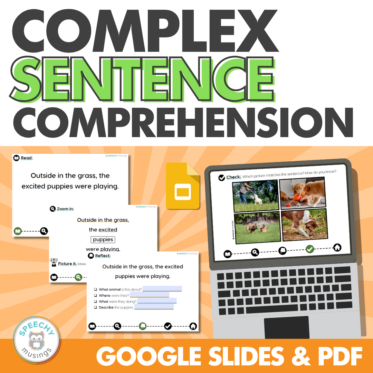
Sentence comprehension. Students practice understanding complex sentences in context, keeping comprehension work grounded in a theme they’re already engaged with.
Sequencing. Every collection includes sequencing activities, making them useful for students working on narrative structure, multi-step directions, and organizing information.
Grammar and syntax: Sentence formulation and grammar exercises using the theme as context
Inferencing. Higher-order language skills including inferencing are woven throughout, making these collections practical for older elementary students who need more than basic vocabulary work.
Phonological awareness. For students who need phonological awareness support alongside language goals, those activities are included as well.
Describing: Structured attribute practice with visual supports
You don’t have to pull from six different sources to cover your group. It’s all in the same packet.
All 67 Themes, Explained (And When to Use Them)
Here’s every theme in Curated Collections, what it covers, and when it fits best in your school year.
Fall and Halloween Speech Therapy Themes
Fall. Covers seasonal vocabulary, describing weather changes, and expressive language. Use it September through November when the classroom is already in a fall mindset.
Halloween. Vocabulary, narrative, sequencing, and describing in one of the highest-motivation seasonal contexts of the year. Use it the two weeks before October 31st and pair it with any classroom Halloween activity for a natural connection.
Veterans Day. Community vocabulary, expressive language around gratitude and service, and social studies language. Use it in early November before Thanksgiving. Works well for students who need support with abstract concepts like service and appreciation.
Thanksgiving. Vocabulary, sequencing holiday traditions, narrative, and expressive language. Use it in November when Thanksgiving is the dominant topic across every classroom. Pairs naturally with farm and food themes if you want to extend it across multiple sessions.
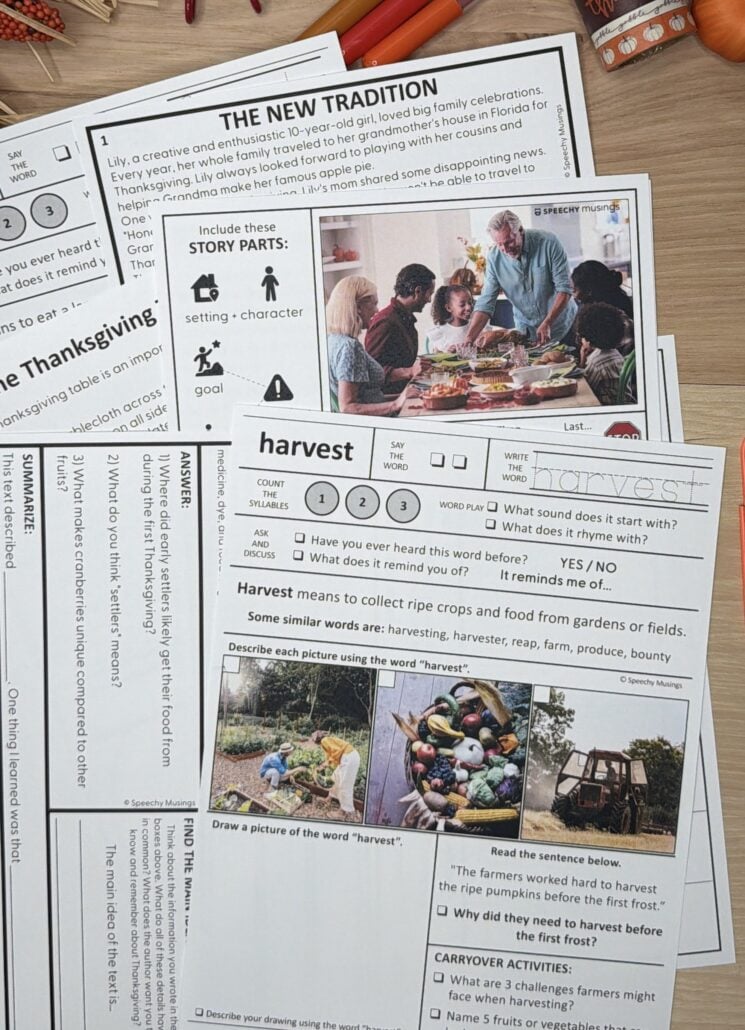
Farm. Farm vocabulary, sequencing (harvest, farm processes), and classifying. Bridges fall and Halloween themes for weeks when you want something seasonal but not costume-focused.
Bugs and Insects. Life cycles, classification, and science vocabulary. Works in fall when bugs are still visible outdoors, or any time a classroom science unit overlaps.
Trees. Life cycles, describing seasonal changes, and nature vocabulary. A natural fit for fall when leaves are changing, or for Earth Day in spring.

Winter Speech Therapy Themes
Winter. Seasonal vocabulary, describing cold-weather activities, comparing, and narrative. Use it December through February and pair with any classroom winter unit.
Bears. Hibernation vocabulary, animal habitats, and classifying. A perfect winter theme since hibernation is one of the most common winter science topics in elementary classrooms.
Birds. Animal vocabulary, habitats, comparing characteristics. Great for winter months and pairs naturally with classroom animal units.
Weather. Science vocabulary, cause and effect, sequencing weather patterns, and describing. One of the most practical year-round themes in the collection, but especially strong in winter when weather is a constant topic.
Outer Space. Science vocabulary, sequencing (space exploration), and describing planets and stars. Use it any time of year, though it’s especially popular during winter when the nights are longer and the sky comes up naturally in conversation.
February Speech Therapy Themes
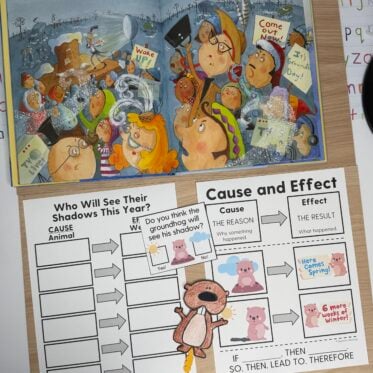
Groundhog Day. Vocabulary, cause and effect, and expressive language. A fun February theme that breaks up the post-holiday stretch and gives students something genuinely surprising to talk about.
Valentine’s Day. Social language, expressing feelings, vocabulary, and narrative in a high-motivation seasonal context. Use it the two weeks of February around the 14th. Works especially well for students targeting social communication goals because feelings and relationships are built into the theme naturally.
Spring Speech Therapy Themes
Spring. Seasonal vocabulary, describing weather changes, and expressive language. Use it March through May when the classroom shifts into spring science and nature units.
St. Patrick’s Day. Vocabulary, describing, and narrative in a fun March theme. A good bridge between the end of winter themes and the start of spring content.
April Fools Day. Vocabulary, narrative, and expressive language in a high-engagement, low-stakes context. Use it in early April when students need something playful to stay focused.
Easter / Spring. Vocabulary, sequencing, and describing in a familiar seasonal context. Use it in March and April when spring holidays are coming up.
Earth Day. Environment vocabulary, cause and effect (human impact on nature), and expressive language. Use it in April for Earth Day. One of the most practical themed speech therapy options for April because it shows up across every subject area and grade level at the same time.
National Parks. Nature vocabulary, describing, geography language, and cause and effect around conservation. Pairs well with Earth Day content and any spring science or social studies unit.
Butterflies. Life cycle sequencing, vocabulary, and describing. A natural classroom pairing for any spring metamorphosis unit. One of the most commonly searched spring speech therapy themes because it shows up in so many classrooms at the same time.
Bees. Life cycles, habitats, science vocabulary, and describing. Strong spring theme that pairs well with outdoor learning units and nature studies.
Fishing. Outdoor vocabulary, sequencing the steps of fishing, and describing. A calm, low-key spring theme that works well for students who do better with structured, step-by-step content.
Back to School Speech Therapy Themes
Back to School. School vocabulary, daily routines, sequencing, and expressive language. Use it at the very start of the year when students are adjusting to a new schedule and new expectations. One of the most-searched speech therapy themes in August and September because SLPs need something students can access immediately, even before you know their goals well.
All About Me. Self-description, personal narrative, and expressive language. A natural first-weeks-of-school theme that works for any student because it starts with what they already know: themselves.
Summer Speech Therapy Themes
Summer. Vacation vocabulary, sequencing summer activities, narrative, and describing. Use it in May and June when students are mentally already halfway out the door. Keeps sessions engaging when attention is hard to hold.
Camping. Outdoor vocabulary, sequencing (setting up camp, campfire safety), and narrative. One of the most popular end-of-year themes because it feels like summer without requiring summer to have started.
Swimming. Water safety vocabulary, sequencing swimming steps, and describing. Use it late spring and early summer when the topic is genuinely relevant to what students are doing outside of school.
Ocean. Animal vocabulary, habitats, describing, and classifying. Works year-round but hits its peak in late spring and summer when ocean and beach come up constantly in conversation.
Amusement Parks. Vocabulary, sequencing (rides, events), and describing in a high-engagement context. A strong summer and end-of-year theme because most students have either been to an amusement park recently or are about to go.
Sports Speech Therapy Themes
Basketball. Sports vocabulary, rules, sequencing, and descriptive language. High engagement for sports fans, and useful year-round since basketball runs nearly the entire school year.
Football. Vocabulary, rules, sequencing, and describing. Best used in fall when football season is running and students are already talking about it.
Soccer. Sports vocabulary, rules, sequencing, and describing. Strong in fall and spring when most school soccer seasons run.
Biking. Action vocabulary, sequencing (how to ride, safety steps), and descriptive language. Works year-round and connects naturally to health and physical education themes.
Science and STEM Speech Therapy Themes
Electricity. How things work, sequencing (circuits), and academic vocabulary. Best for upper elementary students working on content-area language, especially during science units.
Technology. Everyday and academic technology vocabulary, how things work, and cause and effect. Highly relevant for older elementary students and useful year-round.
Math. Math vocabulary, explaining procedural steps, and academic language. Practical for students who need support connecting math language to understanding during any math unit.
Trains. Transportation vocabulary, sequencing, and describing. Works well alongside community or transportation classroom units.
Airplanes. Transportation vocabulary, how flight works, sequencing, and technical language. Works any time of year, especially strong around travel seasons.
Boats. Transportation and water vocabulary, how things work, and sequencing. Good alongside ocean or transportation classroom units.
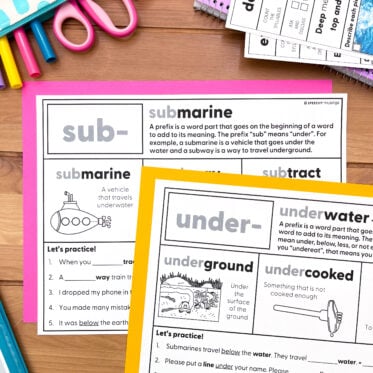
Submarines. Transportation and ocean vocabulary, how things work, and sequencing. A unique theme that keeps things fresh for students who have worked through the more common topics.
Cars. Transportation vocabulary, parts and functions, and sequencing. Works alongside transportation units and is especially engaging for students who are into vehicles.
Construction. Tools, sequencing (how buildings are made), and technical vocabulary. Engaging for students who love hands-on and building topics.
Animal Speech Therapy Themes
Animals. A broad theme covering classification, comparing and contrasting, and vocabulary across multiple animal groups. Flexible enough for any time of year.
African Animals. Rich content vocabulary around exotic animals, habitats, and characteristics. Great for students who are ready for more depth than a standard animal unit provides.
Dogs. Animal vocabulary, care and responsibility, comparing breeds. A reliable high-motivation theme that works with almost any student.
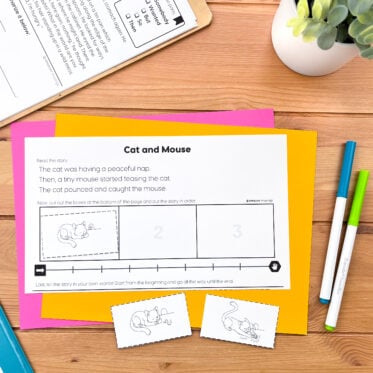
Cats. Animal vocabulary, describing characteristics, and comparing. A go-to for students who are motivated by animals.
Monkeys. Animal vocabulary, habitats, comparing and contrasting. High interest for younger students and fun to pair with jungle or rainforest classroom units.
Dinosaurs. Classification, vocabulary, describing, and comparing across species. One of the highest-engagement themes in the entire collection, especially for younger elementary students.
Zoo. Animal vocabulary, classifying, habitats, and comparing. A classic that holds up across every grade level and works any time of year.
Community and Social Studies Speech Therapy Themes
Firefighters. Community helper vocabulary, sequencing (emergency procedures), and expressive language. A strong theme for younger students and those working on community and safety language.
Dentist. Health vocabulary, sequencing (a dental visit), and expressive language around feelings and procedures. Useful for students who need language to process medical situations.
Transportation. A broad theme covering vehicles, functions, comparing, and vocabulary across multiple types. Good for students who need a wide vocabulary net.
Travel. Planning vocabulary, sequencing (trip steps), and expressive language. Works well around school break periods when travel is on everyone’s mind.
Museums. Vocabulary around art, history, and science exhibits. Good for expressive language, describing, and academic vocabulary with upper elementary students.
History. Academic vocabulary, cause and effect, sequencing historical events, and expressive language. Best for upper elementary students working on content-area language.
Park. Community vocabulary, describing, and expressive language in a context every student is immediately familiar with.
High-Interest and Creative Speech Therapy Themes
Superheroes. Fantasy vocabulary, describing, narrative, and cause and effect. High engagement for students who love comics, movies, or imaginative play.
Dragons. Fantasy vocabulary, describing, and imaginative language in a lower-pressure creative context. Great for students who need a fresh angle to stay engaged.
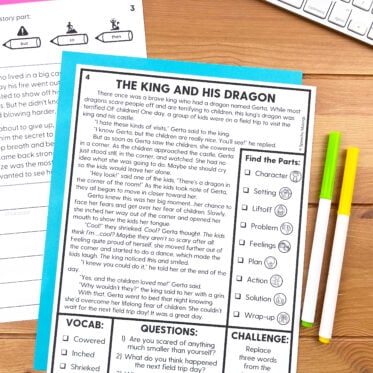
Video Games. Vocabulary, describing, sequencing game steps, and expressive language. One of the highest-motivation themes for students who struggle to engage with traditional therapy topics.
Treasure. Adventure vocabulary, narrative, and sequencing. High engagement and a nice break from seasonal themes when you need something that is not tied to a specific time of year.
Music. Vocabulary around instruments, genres, and musical concepts. Works alongside school music programs and for students motivated by creative topics.
Birthday. Sequencing, vocabulary, and narrative in a universally relatable context. Every student has had a birthday. Every student can access this one.
Food Speech Therapy Theme
Food. One of the most universal themes in the collection. Covers vocabulary, describing (taste, texture, smell), comparing, and sequencing (recipes and meals). Works across every age range.
Pizza. Sequencing (how pizza is made), vocabulary, describing ingredients, and following directions. A crowd-pleaser for almost every student.
Cookies. Sequencing recipe steps, vocabulary, describing, and following directions. Accessible across a wide age range and genuinely fun to work through.

Nature and Environment Speech Therapy Themes
Ocean. Animal vocabulary, habitats, describing, and classifying. One of the most versatile themes in the bundle and works any time of year.
National Parks. Nature vocabulary, describing, geography language, and cause and effect around conservation. Pairs with Earth Day content and spring science units.
Trees. Life cycles, describing seasonal changes, and nature vocabulary. A natural fit for fall and Earth Day.
Butterflies. Already covered above under spring, but worth noting it also works in fall for students reviewing life cycles.

Everyday Life Speech Therapy Themes
Shoes. Vocabulary, describing (materials, function, appearance), and comparing. A surprisingly rich theme for teaching descriptive language with a topic every student literally wears every day.
All About Me. Also useful mid-year when you want to revisit expressive language and self-description with new goals.
What Are Curated Collections?
A Curated Collection is a themed language bundle built around a single topic – camping, Halloween, dinosaurs, Valentine’s Day, outer space – with 5 to 7 activities inside that each target a different language skill. Every activity in the bundle uses the same theme, which means your whole group stays engaged with the same topic while each student works on their own goal. That’s the core idea: one theme, multiple skills, zero scrambling.
Each collection includes:
5-7 printable activities per theme
- No-prep worksheets and sequencing tasks
- Vocabulary visuals and related affix exercises
- Activities targeting inferencing, phonological awareness, and more
- Answer keys for easy data collection
You print it, you go. No cutting, no laminating the night before, no building from scratch on a Sunday.
Why Curated Collections Works for Mixed Groups
Mixed groups are the daily reality of school-based speech therapy. You’ve got students with articulation goals, language goals, social communication goals, and AAC needs, all in the same 30-minute slot because that’s what the master schedule allows.
Curated Collections works for mixed groups because the materials target multiple language skill areas by design. The student working on vocabulary uses the same theme as the student working on story grammar. The student practicing inferencing is seated next to the student working on sequencing. One set of materials, real practice for everyone, no scrambling to layer goals onto something that wasn’t built for it.
One reviewer put it directly: “This is nicely organized into themes that work with mixed groups and goals. Really like that this can be paired with books and other resources to use a theme for 2 to 4 weeks in therapy. Simplifies planning.”
That’s the whole point.






Leave a Comment