
Fat Bear Week runs September 22 to 29 this year. It is a free online event, and it gives you a full week of therapy material that your students will actually care about. This post explains what Fat Bear Week is, how to run it with the Bears Themed Language Unit, and 30 ways to use it across different goals.
In this post
Shop This Post
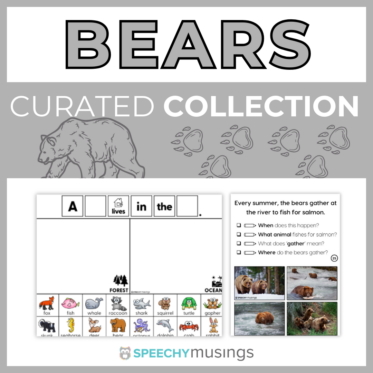
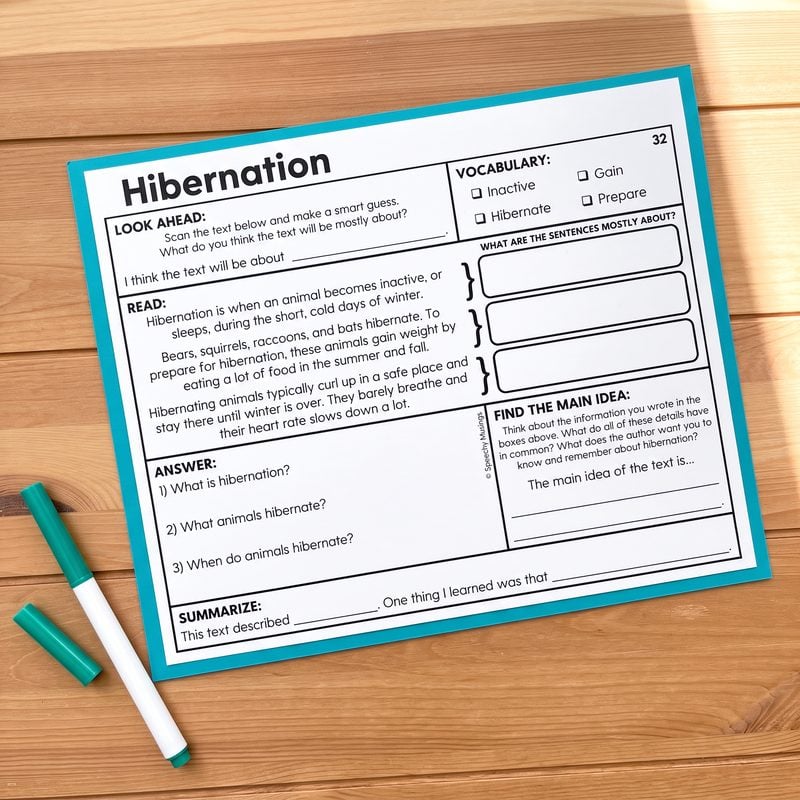
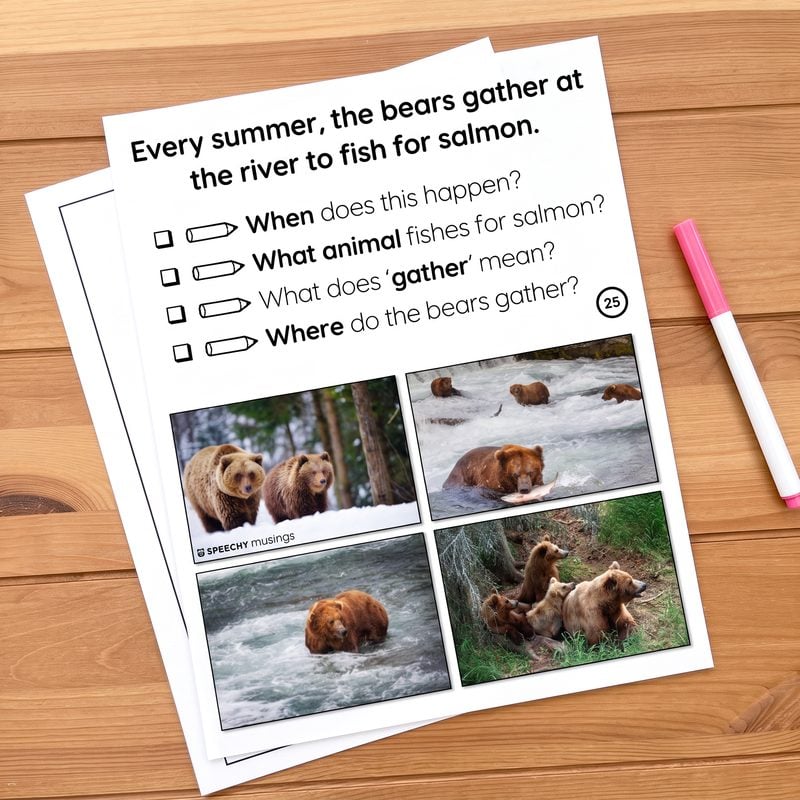
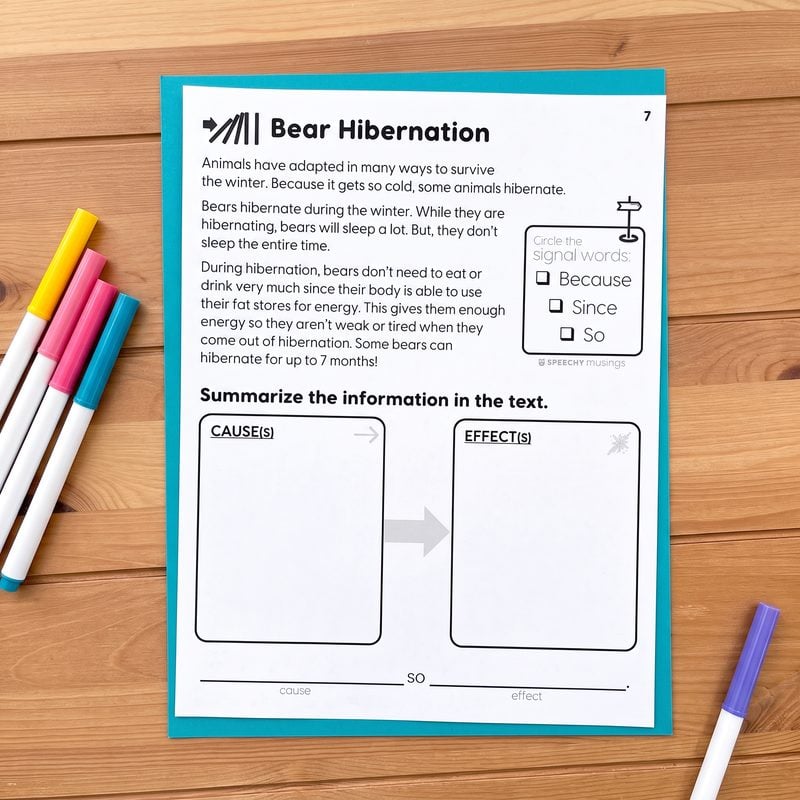
Bears | Themed Language Unit | Speech Language Therapy
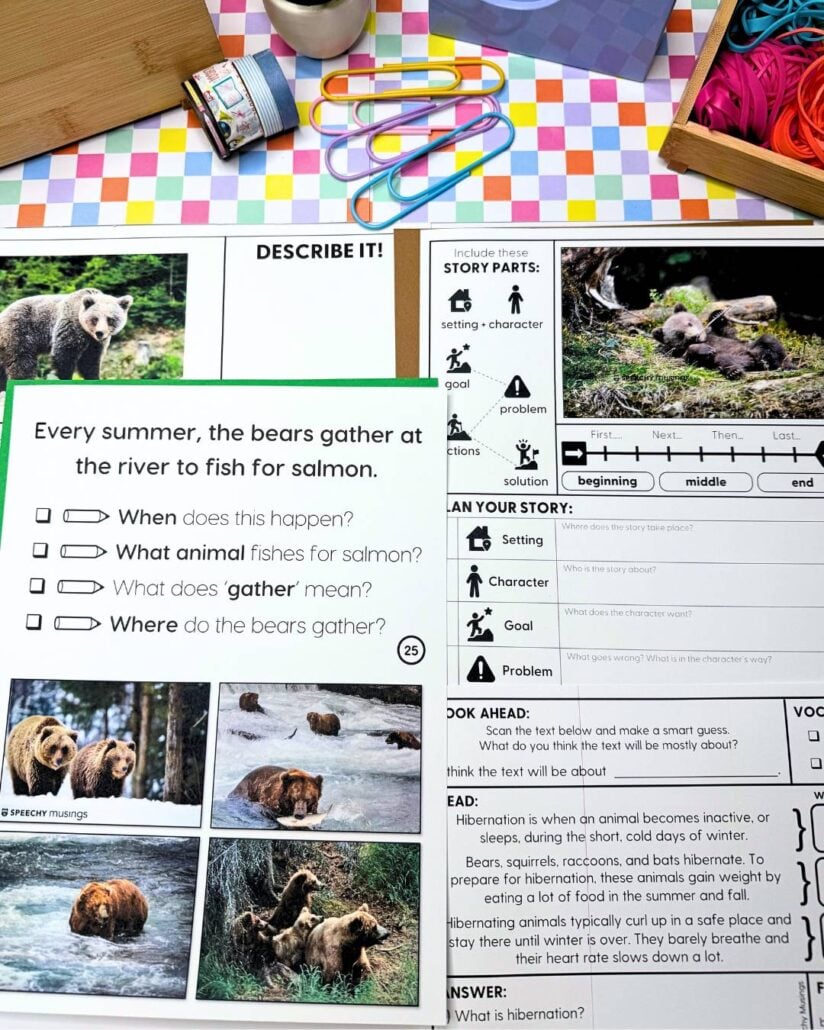
Roar into speech therapy with this bear-themed language unit! Featuring 12 no-prep pages targeting skills like cause and effect, describing, and narrative creation, this resource keeps students engaged while building foundational language skills. Ideal for K-7th.
More InfoWhat Fat Bear Week is
Fat Bear Week is a yearly contest run by Katmai National Park in Alaska. Every summer, the brown bears at Brooks River eat as much salmon as they can. Some gain more than 100 pounds. They need that fat to survive hibernation.
The park posts before and after photos of each bear. Then people around the world vote in a bracket, one matchup at a time, until one bear is named the winner.
Here are the dates for 2026:
- September 18: the bracket is announced
- September 22 to 29: voting is open each day from 12pm to 9pm Eastern, with no voting on weekends
- September 29: the winner is announced
- Fat Bear Junior, a smaller contest for cubs, runs the week before
Everything you need is free. The live bear cameras are on explore.org. The bear photos and bios are on the park website, and those photos are public domain, so you can print them for therapy.


Why a theme like this works
Research supports teaching language skills inside a meaningful context, not through isolated drill. Gillam, Gillam, and Reece (2012) compared the two approaches in Language, Speech, and Hearing Services in Schools. Both treatment groups improved more than students who got no treatment. The students who learned in context scored highest on sentence and story measures.
A later randomized controlled trial (Gillam et al., 2024) found similar results. You can read more about narrative goals on the ASHA Practice Portal.
Fat Bear Week gives you that context without extra planning. It is a real event, it happens in real time, and students can watch it, predict it, and talk about it.
Get the FREE printables
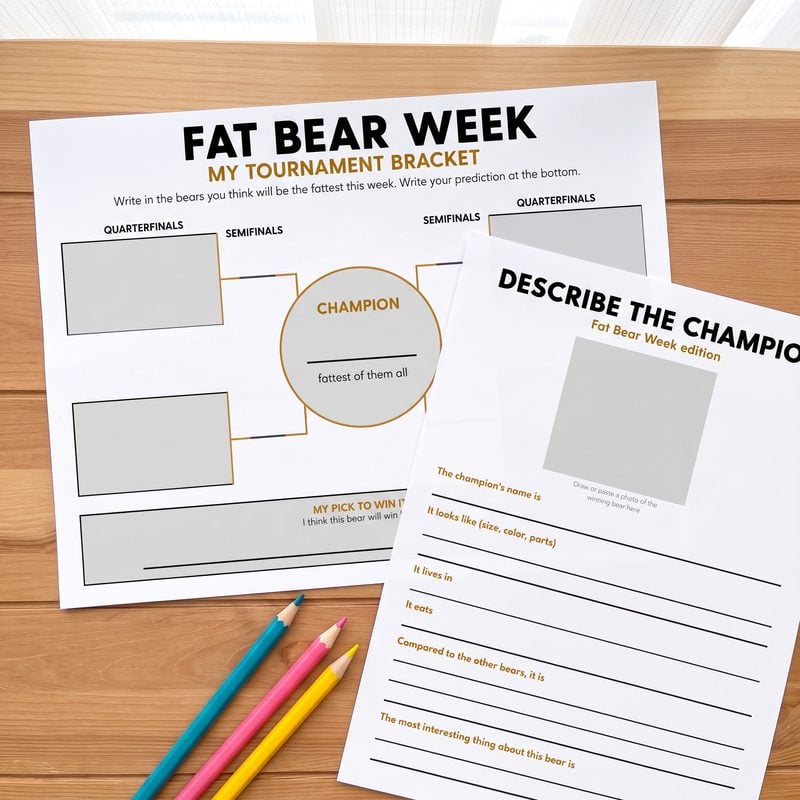
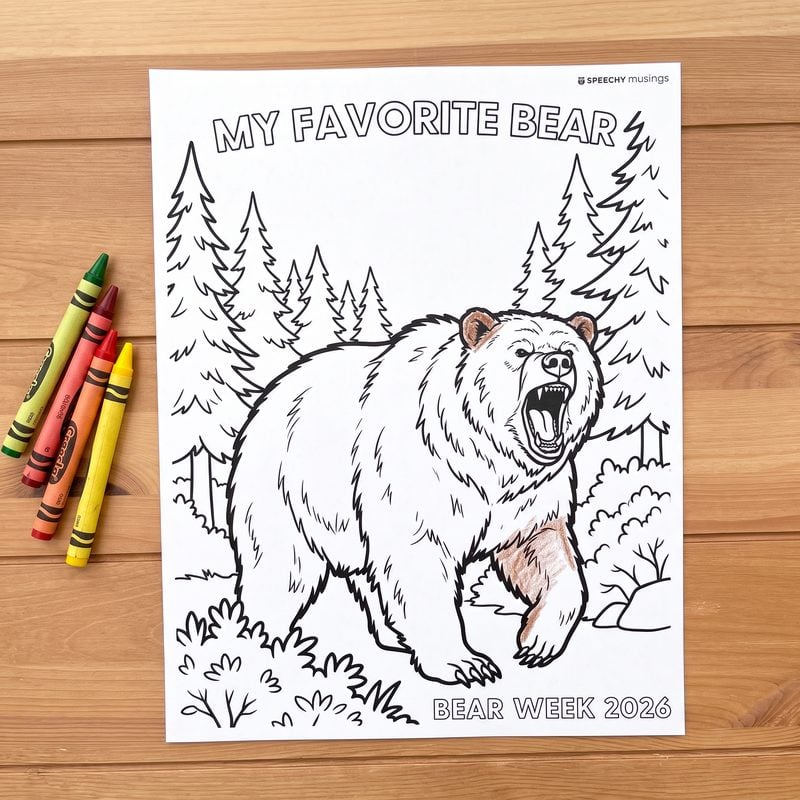
We made free printables to go with the event. Right now the pack includes a bear coloring page and a bear writing page. We update the pack as the event gets closer, so you always get the most current version. Sign up below and we will send the download straight to your inbox.
How to run the week with the Bears Themed Language Unit
The Bears Themed Language Unit is $5 and works for grades K through 7. It has 12 pages that cover 8 different skills, and each one lines up with part of the contest. Here is a simple plan for the week.
| When | Page from the unit | How to use it |
|---|---|---|
| Week of Sept 15 | Nonfiction hibernation page | Print the free printables and introduce the event. Fill in the matchups together after Sept 18. |
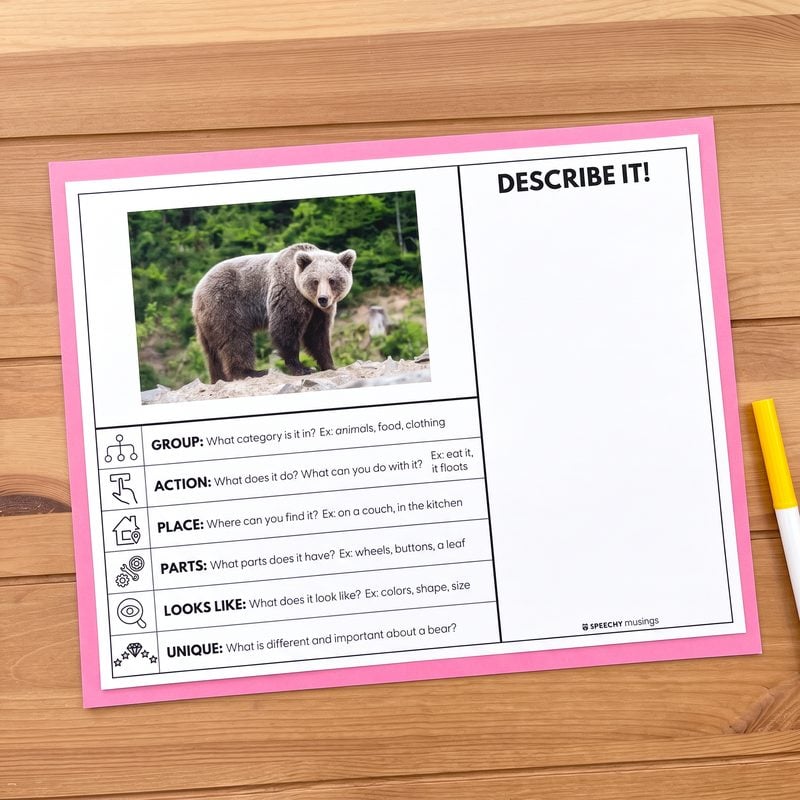
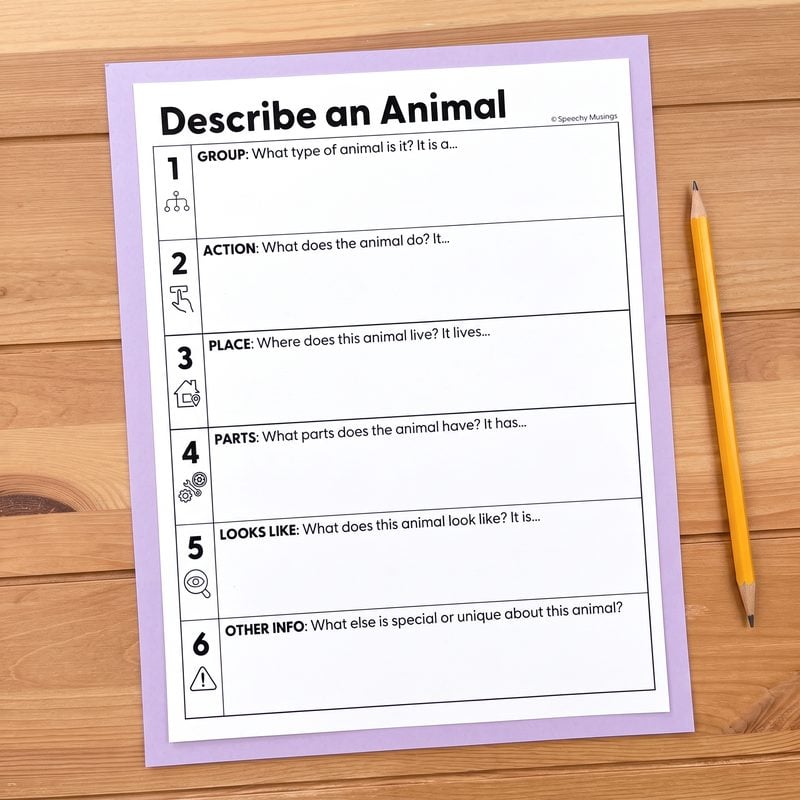
| Day 1 | Describing pages | Pull up two real bears from the park website and describe those instead of the pictures in the unit. |
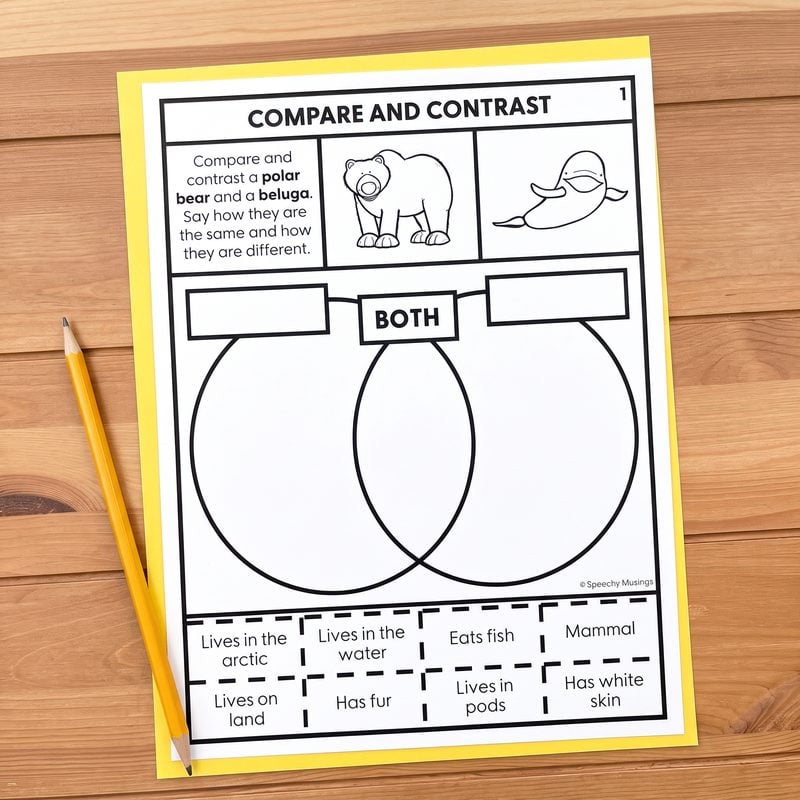
| Day 2 | Compare and Contrast | Compare the two bears in that day’s matchup. Fill out the page, then vote as a group. |
| Day 3 | Cause and Effect | Map the chain: the salmon run brings fish, the bears eat, they gain fat, the fat helps them survive winter. |
| Day 4 | Complex Sentences | Every vote comes with a sentence that explains it, such as “747 should win because he is the widest.” |
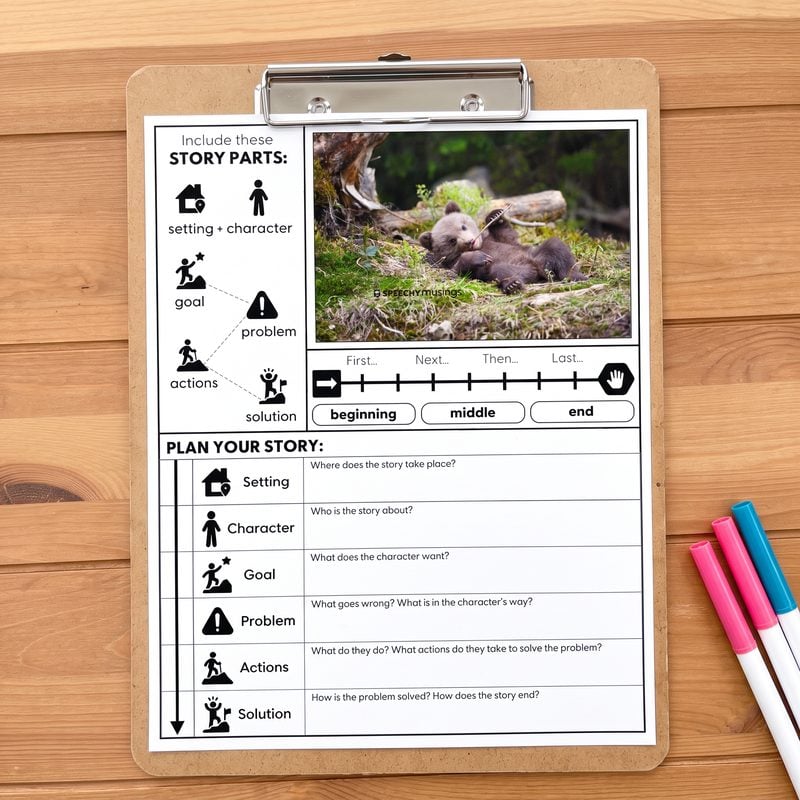
| Day 5 | Creating Narratives | Students tell the story of one bear’s year, from the thin spring photo to the heavy fall photo. |
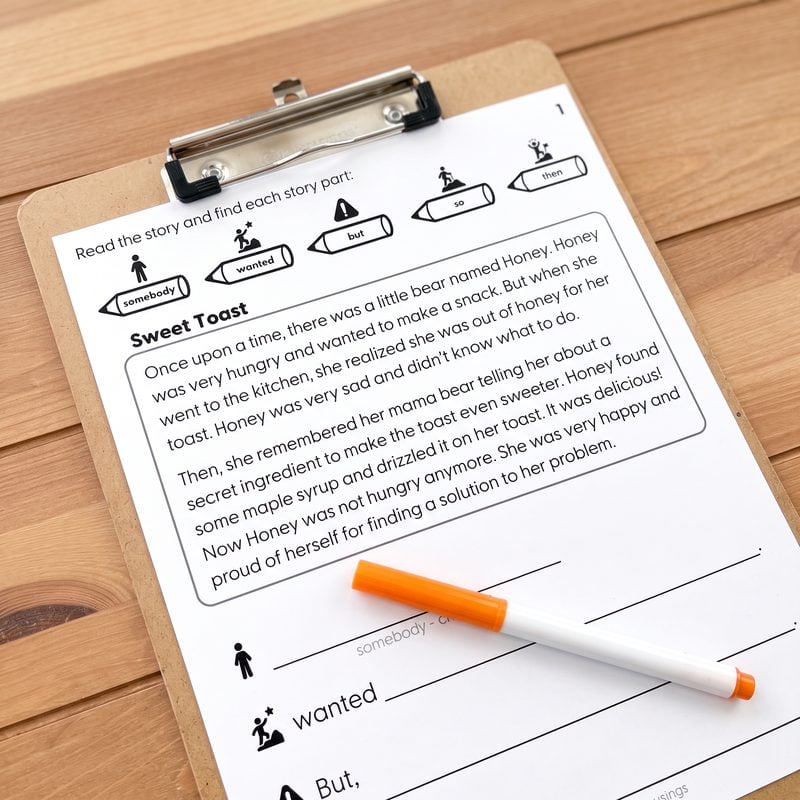
| Following Monday | Story Summarizing | Recap what happened, then use the Describe the Champion page from the free printable. |
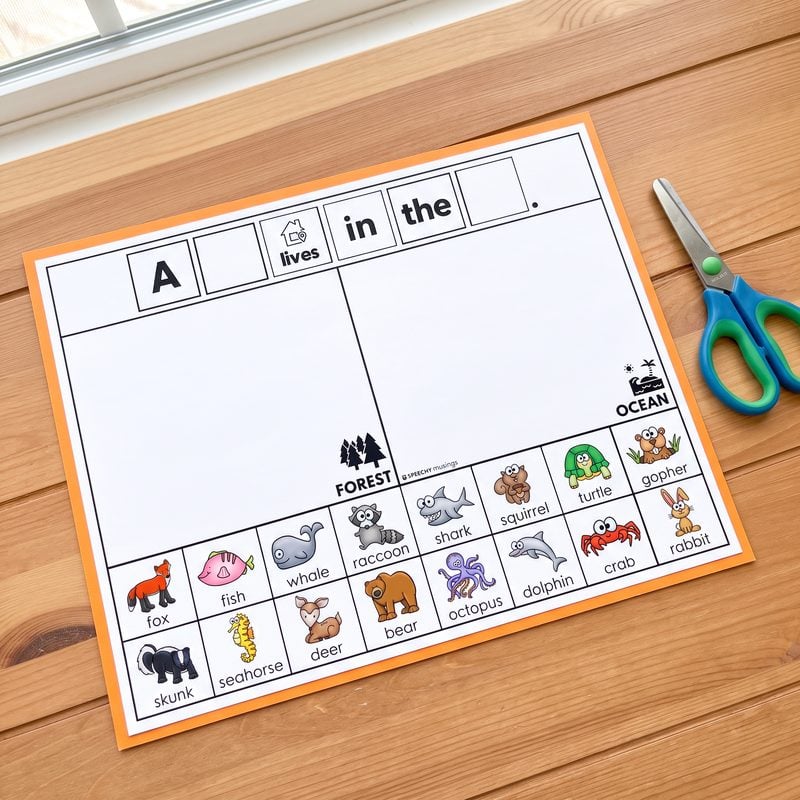
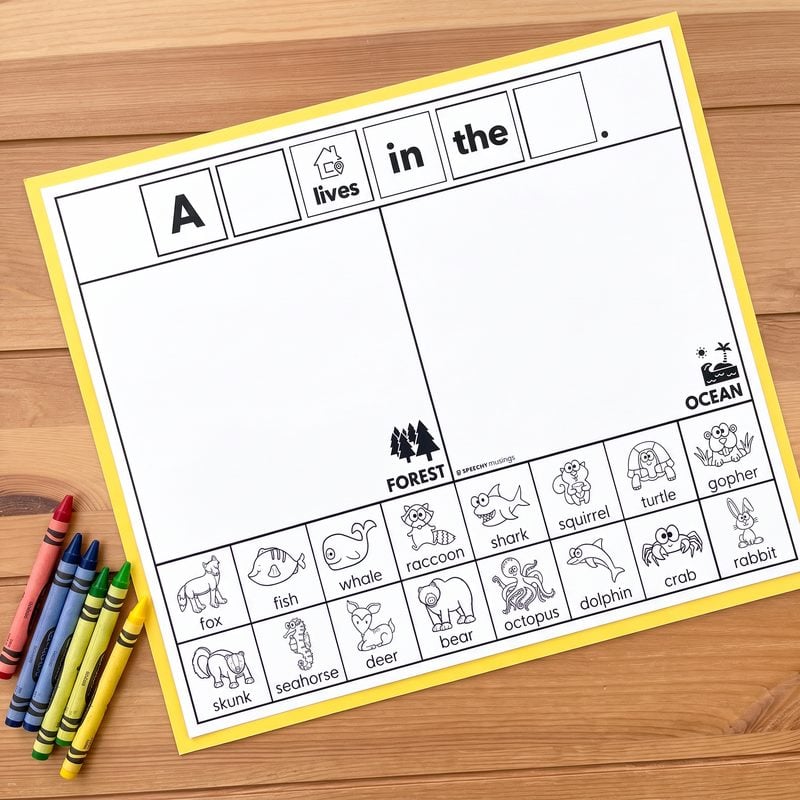
| Any day | Sorting Activities | Warm-up. Students sort animals that hibernate from animals that do not. |
30 ideas by goal
Vocabulary
- Teach words from the event itself: hibernation, forage, abundant, dominant, survival, and competition. Pick two per session and use the live camera as your visual.
- Teach word families. Hibernate, hibernation, and hibernating all come up naturally. So do compete, competition, and competitor.
- Practice comparatives and superlatives. The whole contest is about which bear is fat, fatter, and fattest.
Describing
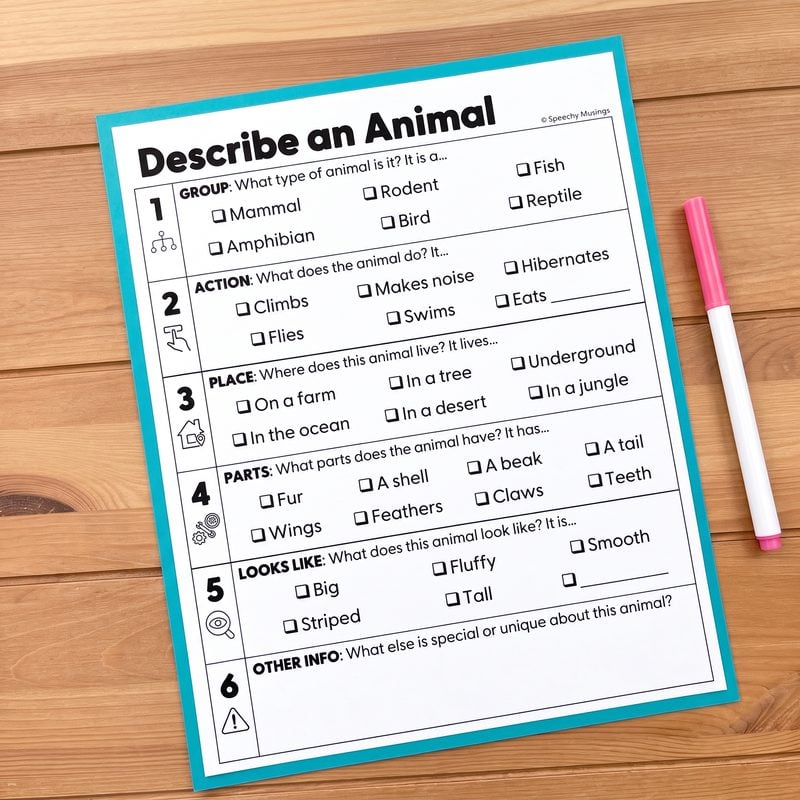
- Pull two bear photos from the park website and describe them using your usual framework, such as category, function, appearance, and location.
- Compare the same bear’s June photo to its September photo and describe what changed.
- Play a barrier game. One student describes a bear from the bracket and a partner guesses which one it is.
Compare and contrast
- Compare the two bears in the day’s matchup, then vote.
- Compare brown bears and black bears using the nonfiction page in the Bears unit.
- Compare a bear and another hibernating animal.
Narratives and summarizing
- Have students tell the story of one bear’s year using story grammar parts.
- Have students retell a matchup result as a news report.
- Have students summarize the whole week at the end: who won, who lost, and what happened.
Inferencing and predicting
- Predict each matchup and explain the reason. Track how many predictions were right.
- Watch the live camera and ask inference questions. Why is that bear standing at the top of the falls? Why did the smaller bear move away?
- Ask why the park runs this contest at all. This works well with older students who can think about conservation.
WH questions
- Take a screenshot of the live camera and ask who, what, where, when, and why questions about it.
- Have students write their own WH questions about a bear for the group to answer.
Complex sentences and syntax
- Use sentence frames with because, although, since, and unless. Students fill them in to explain their vote.
- Give students two short bear facts and have them combine the facts into one sentence three different ways.
- Have students expand a simple sentence. Start with “The bear ate” and add where, when, and why.
Cause and effect
- Map the causal chain of the whole event, then have students explain one link in their own words.
- Ask what would happen if the salmon run were small that year.
Persuasion and social language
- Have each student pick a bear and give a 30 second speech about why it should win. Vote after all the speeches.
- Practice disagreeing politely. Students will not agree on winners, so teach phrases like “I see it differently because.”
- Ask how the losing bear might feel, and what it would say if it could talk.
Problem solving
- Give a scenario: a smaller bear wants the best fishing spot, but a larger bear is already there. What are her choices?
Articulation and fluency carryover
- Have students give play by play commentary on the live camera using their target sounds. The event has many /r/ words, such as bear, brown, river, and roar.
- Have a structured conversation about their picks so students can practice at the conversation level.
AAC
- Watch the live camera together and model core words like eat, big, more, look, like, and stop.
- Model voting language on the device, such as “I pick that one” and “I like the big one.”
Using it with mixed groups
Watch five minutes of the live camera together. Then each student works on a different goal using the same content. One student describes a bear, one predicts the matchup, one models core words on a device, and one practices target sounds while giving commentary. Everyone works on their own goal, and you did not have to plan four separate activities.
A few things to know before you start
- Voting is open from 12pm to 9pm Eastern each day, September 22 to 29.
- The live cameras are on explore.org. Search for Brooks Falls. Watch a few minutes before your session, because the bears do catch and eat fish on camera.
- Bear photos and bios are on the park website and are free to print.
- Fat Bear Junior runs the week before and works well for younger students.
Ready to run your best themed week yet?
Grab the Bears Themed Language Unit , then sign up above for the free Fat Bear Week printables. You will have everything you need for a full week of Fat Bear Week therapy.






Leave a Comment